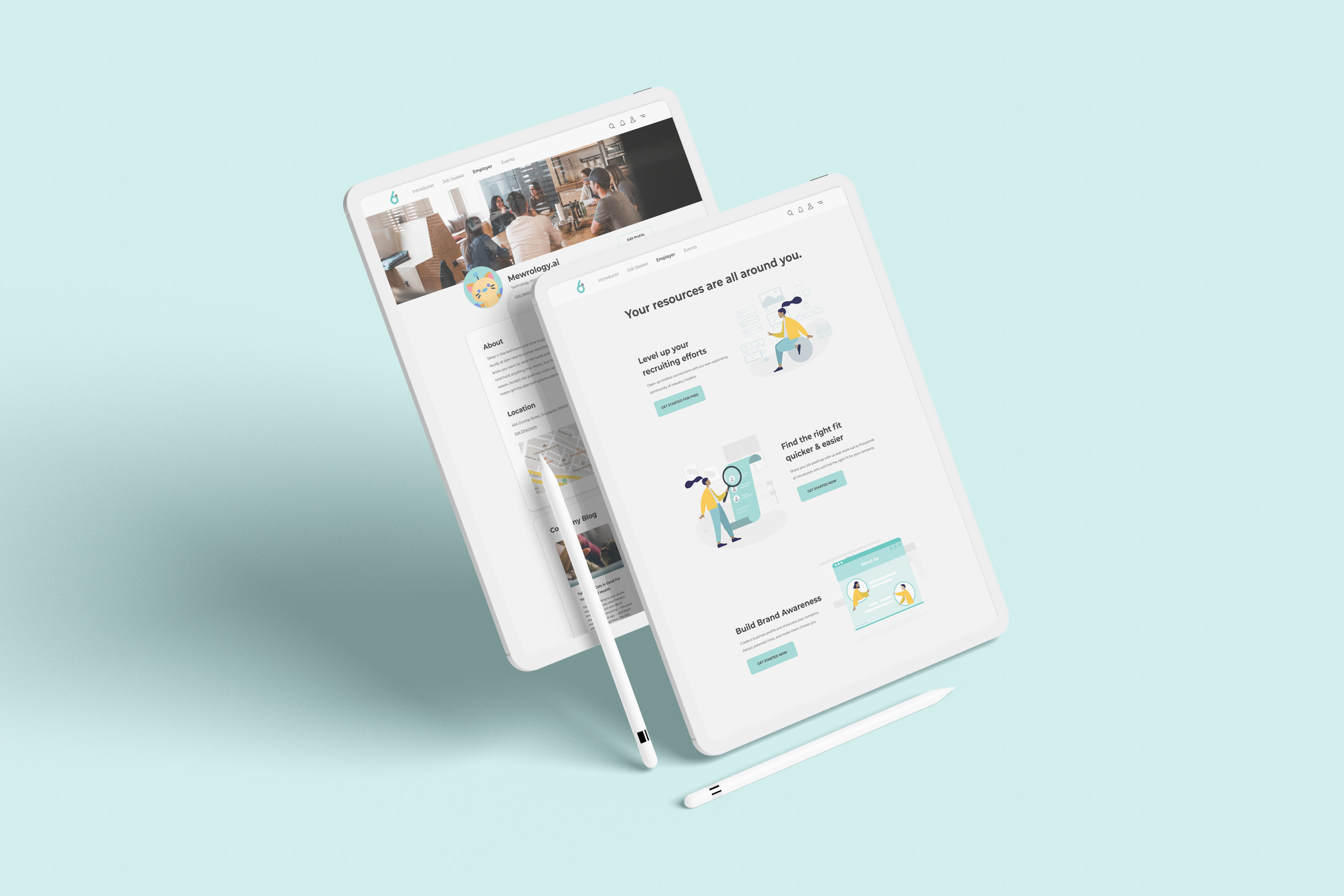
at6degrees

Creating a website for companies to increase their chances of recruiting the right fit.

Category
UX Design
Date
September 2021
Project Duration
3 weeks
Tools
Figma, Figjam
Contents
  1. Project Overview
  2. User Interview 
  3. Feature Comparison
  4. Customer Journey Map
  5. User Flow 
  6. Wireflow
  7. Prototype
  8. Usability Test Findings & Recommendations
  9. What’s Next? 
  10. Key Takeaways

Project Overview

at6degrees wanted to create a job board and talent referral marketplace for companies to recruit through both internal & external referrals.

Objectives

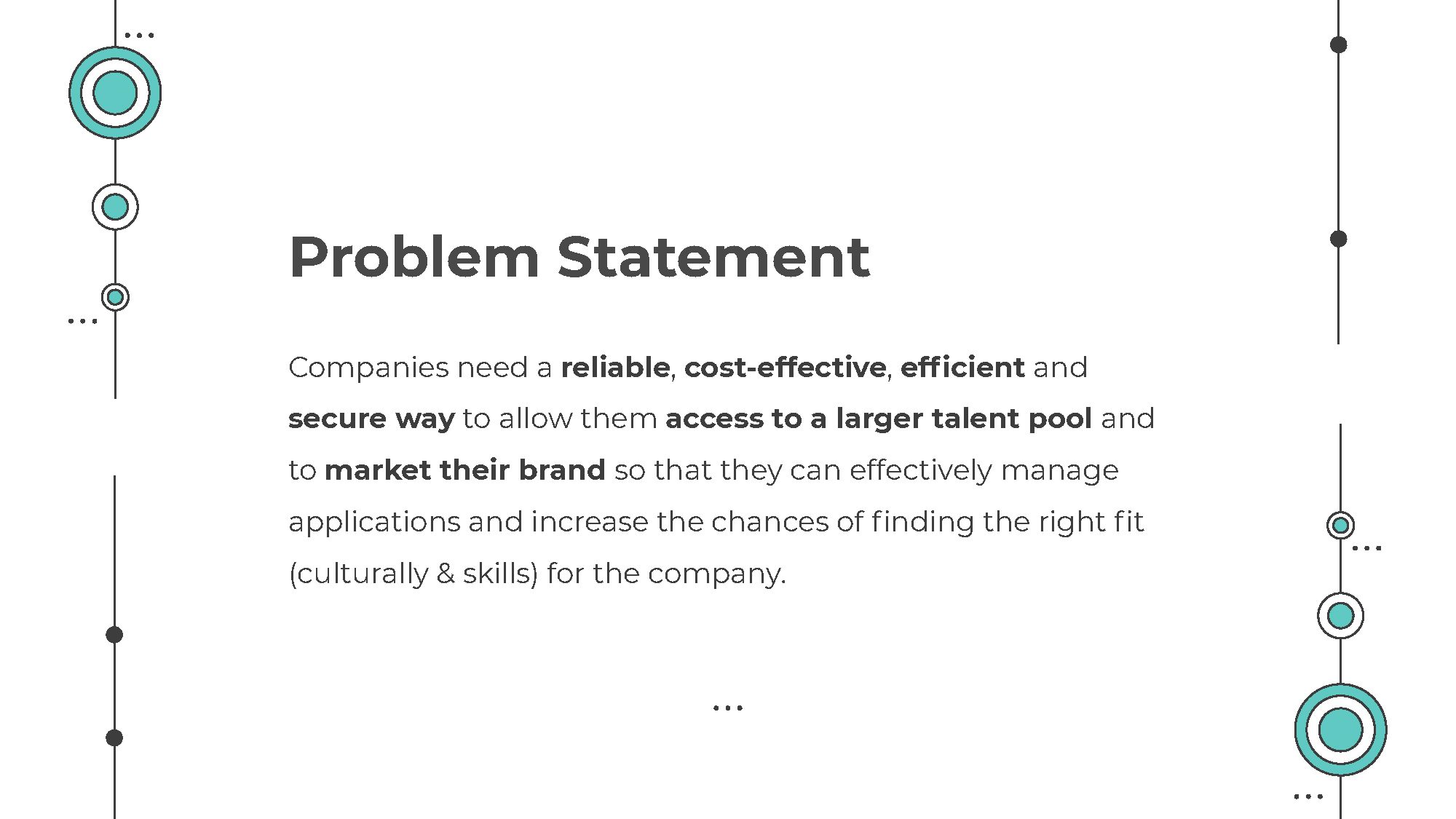
To create a reliable, cost-effective, efficient and secure way for companies to:

  • Access a larger talent pool &
  • Market their brand

So that they can effectively manage applications and increase their chances of finding the right fit for the company.

Working together with two other teammates, Chermaine & Nithya, we shared the workload of conducting UX Research, and creating the Prototype on Figma.

Process

Competitive Analysis (Feature Comparison)

To compare between existing recruitment platforms:
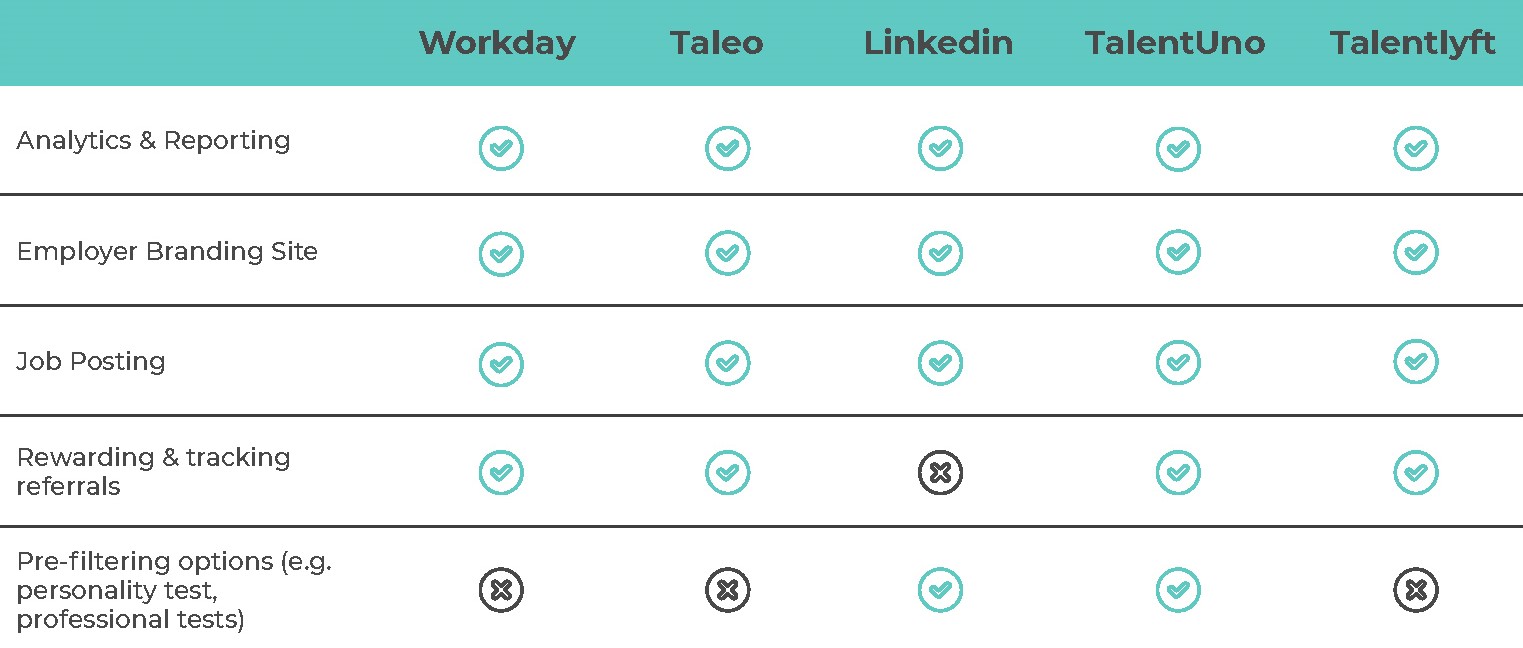
at6degrees Feature comparison

User research through interviews and User Testing

Our target audience for the user interview are users who have/have had used recruitment platforms, and are from the recruitment industry.

The objective of this was to uncover pain points in their current recruitment processes, and discover the general sentiments towards atdegree’s service.

Based on a phone call/video call interview with interviewees who are highly experienced in recruitment (with up to 10 years of experience or more), these are their pain points:
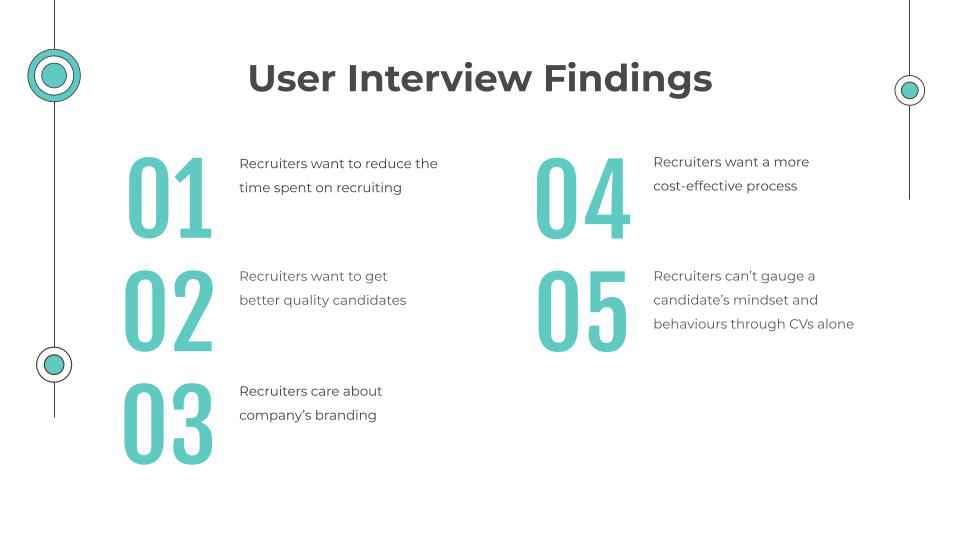
Synthesizing research with User Persona, User Flows & Customer Journey Maps as output

User Persona
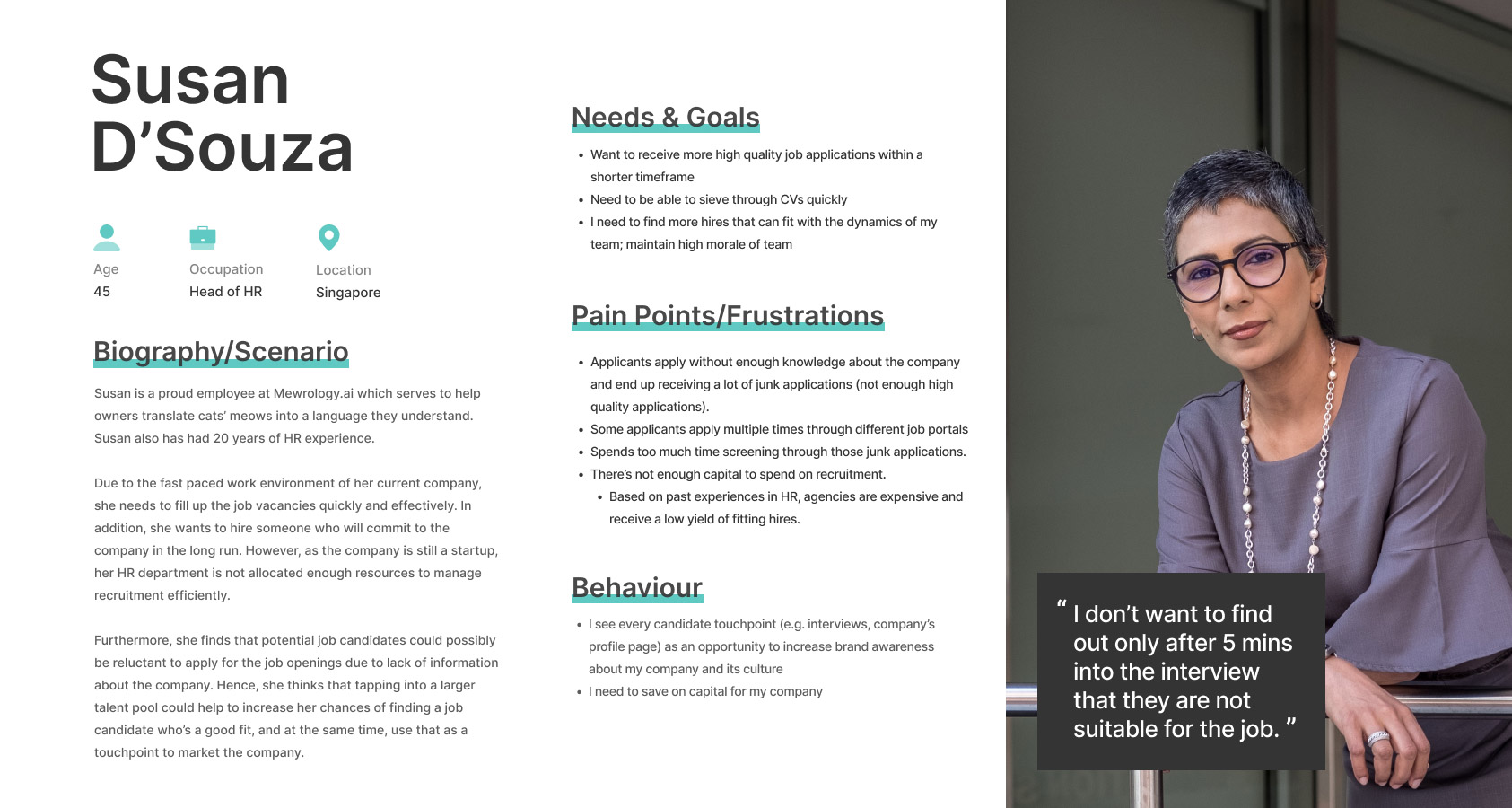
At6Degrees - User persona


User Flow


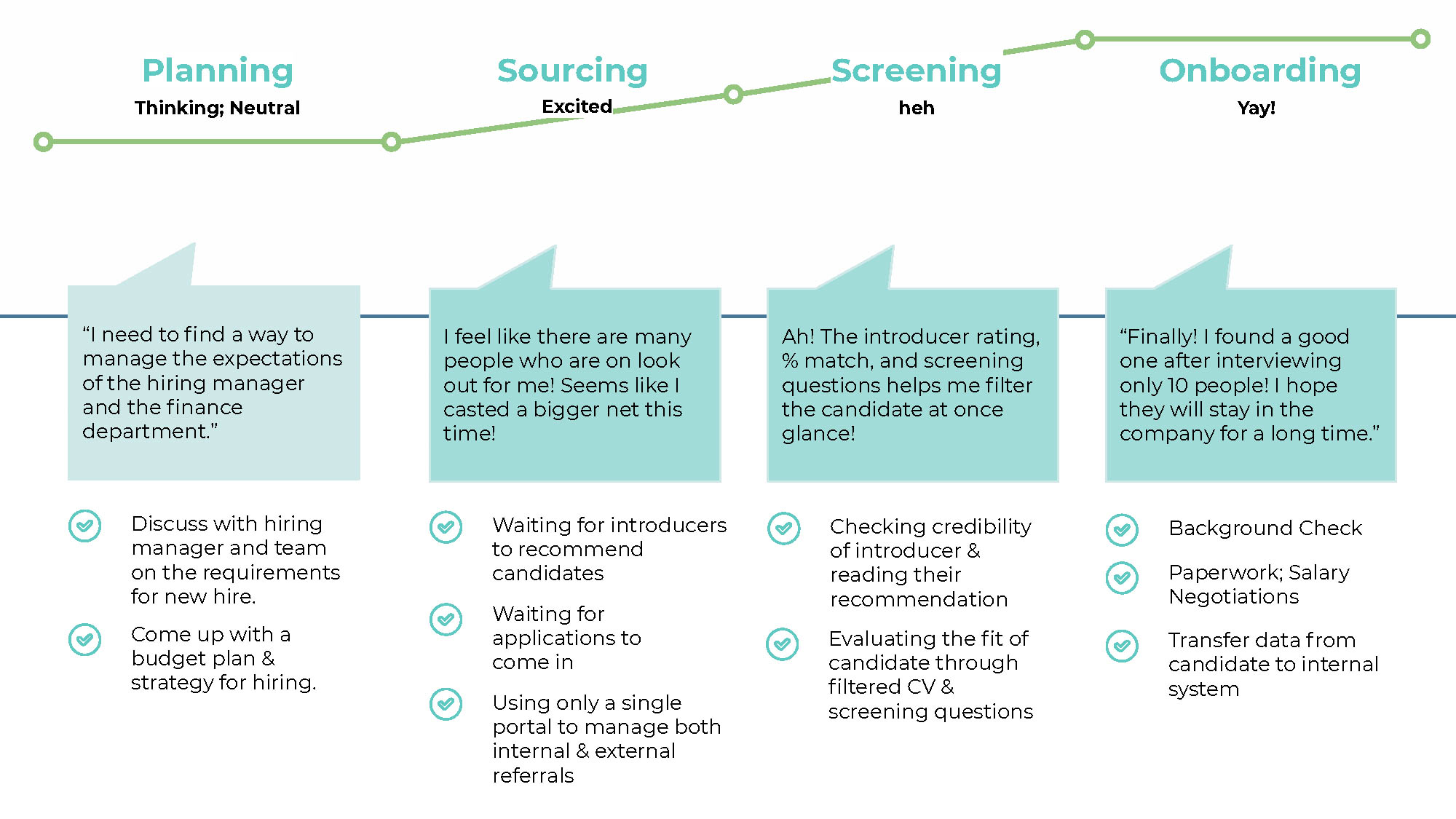
Customer Journey Map
Problem Statement

User Persona

Image 1: User Persona – Susan D’Souza, “I don’t want to find out only after 5 mins into the interview that they are not suitable for the job”.

Feature Comparison

Image 2: Feature comparison table comparing various recruitment platforms based on their availability of features – Analytics & Reporting, Employer Branding Site, Job Posting, Rewarding & Tracking Referrals, Pre-filtering options (e.g. personality tests, professional tests, etc).

Out of the five, TalentUno may seem like a direct competitor. However, Singapore, or Asia in general, have yet to see such platforms.

Customer Journey Map

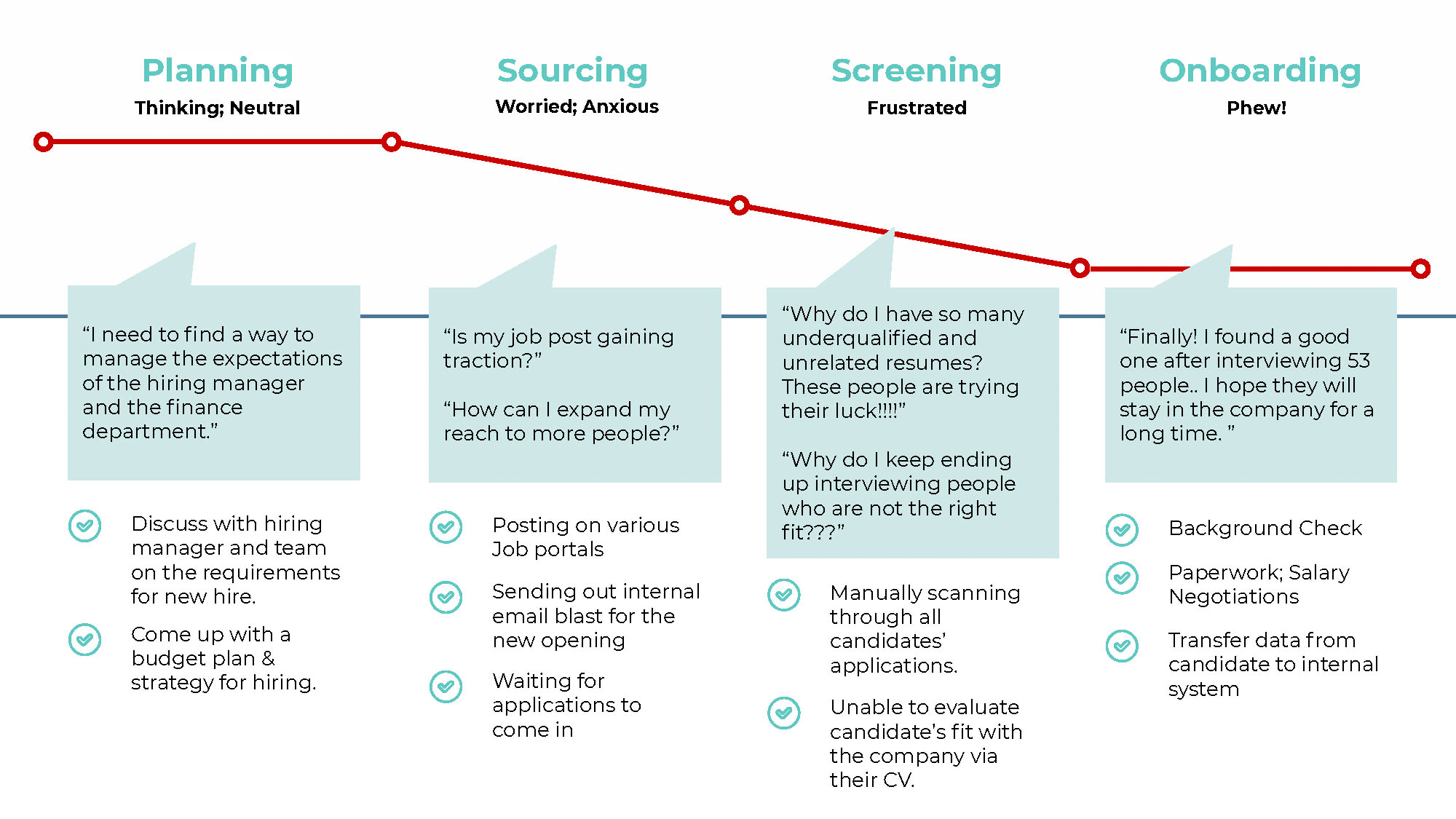
To help us better visualize what a typical recruiter would go through to successfully onboard a candidate, we plotted out a customer journey map, loosely based off of quotes from our user interviews. 

Being able to think of what they would be feeling as they go through each step of the recruitment process, helped us empathize with them on a deeper level, and focus on ways we would alleviate their concerns. 

Image 3 (Left): Customer Journey map of a user before using at6degree’s service to acquire talents through external referrers (introducers). 

Image 4 (Right): Customer Journey map of a user after finding out and using at6degree’s service to acquire talents through introducers. 

User Flow

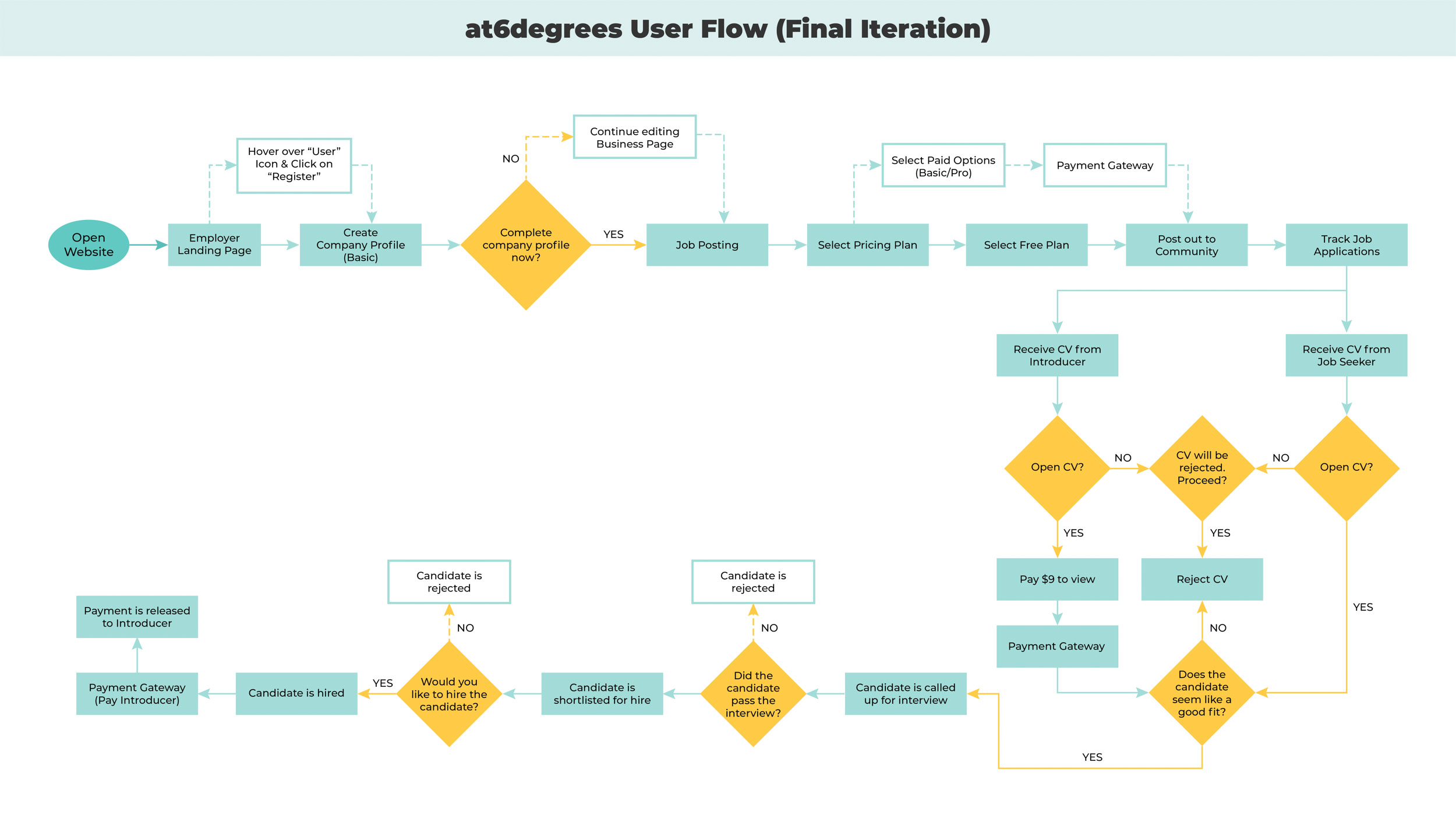
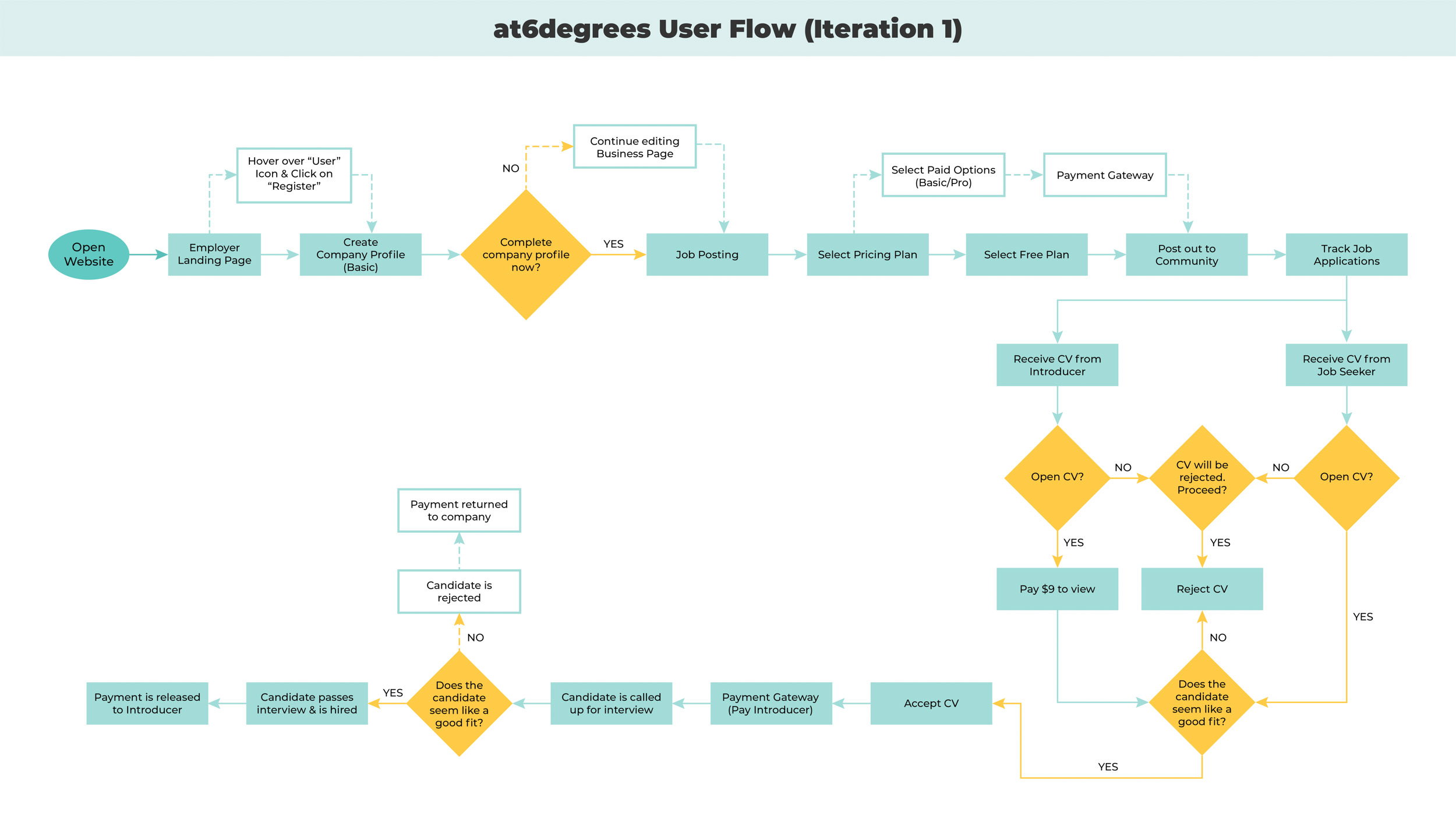
Before creating the wireframes, and eventually the prototype, we mapped out what the user would go through when navigating through the platform. 

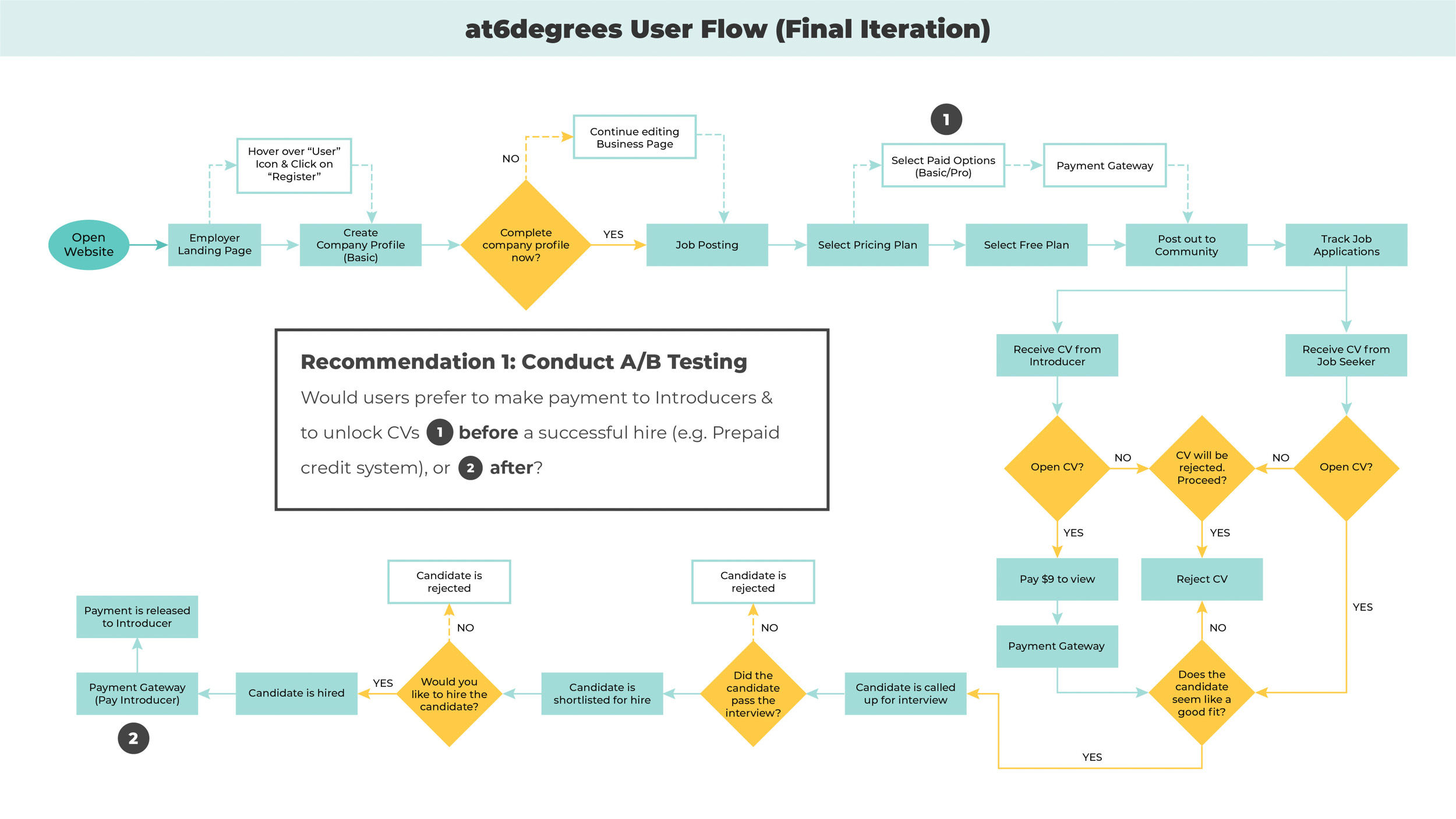
We struggled the most with the point at which the company will be making payment to the introducer. We were concerned that some companies may not want to pay a large amount upfront as they would be banking a lot on the introducer, who’s a third party, unlike with internal referrals where they would be dealing with employees of their own company.

Hence, we came up with the final iteration where payment will only be made after the companies are satisfied, and successfully onboard a new hire. 

Image 5 (Left): User flow iteration 1, where after the user accepts the CV, they are prompted to make a payment to the introducer (external referrer), and will only be released after the hire. 

Image 6 (Right): Final User Flow iteration reflected in the prototype, where payment to the introducer is only made after the candidate has been hired.

Wireflow

While designing the prototype and processes, we struggled to piece together our process that focused on that of the companies/hiring managers, and the other processes – the perspective of job seekers and introducers (internal & external referrers), as that was done by another General Assembly Team that previously worked with our client. 

After much clarification, we came up with an initial version of the design in the form of a wireflow. 
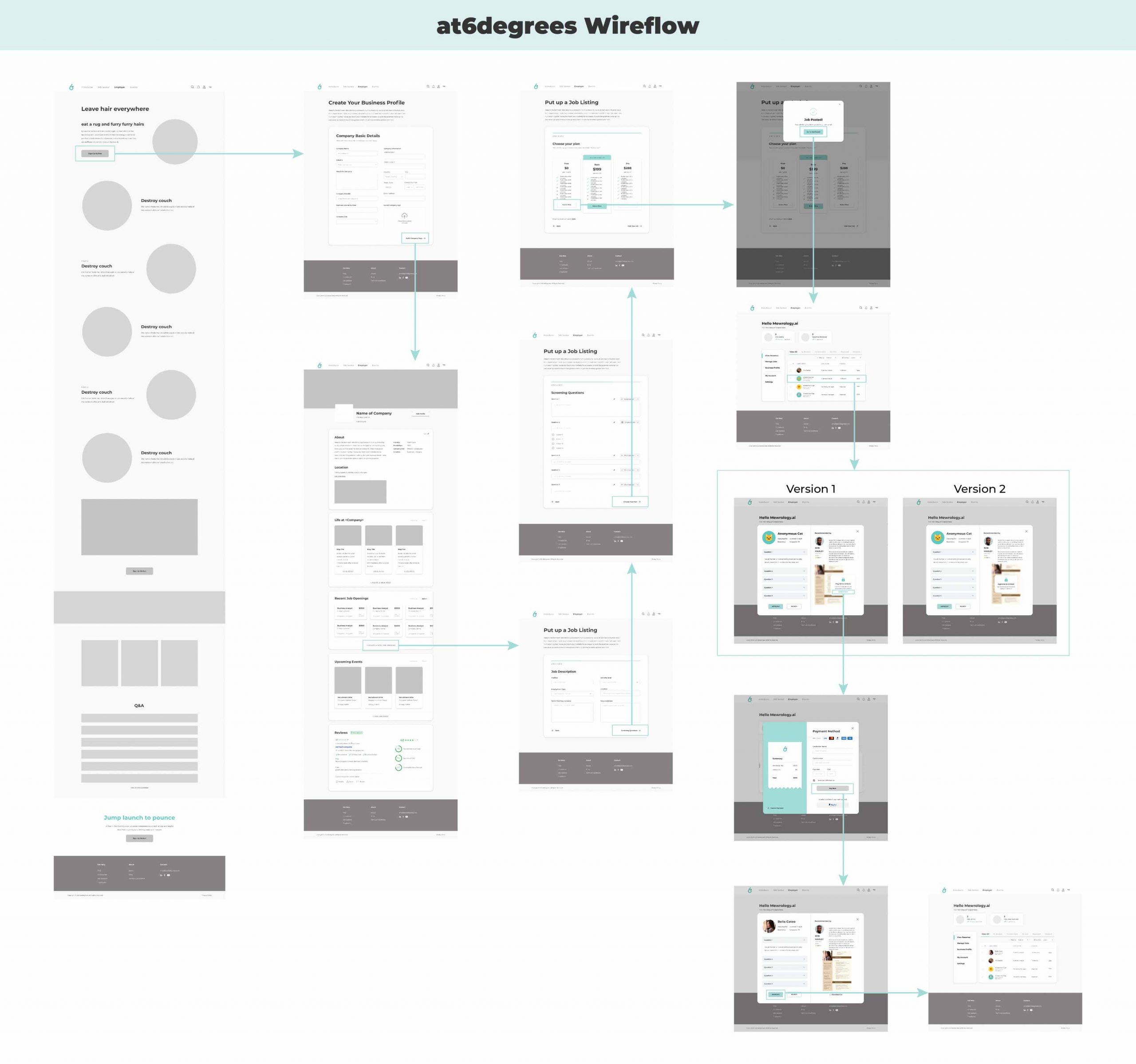
Wireflow depicting the happy path the user will take in the prototype. 

Prototype
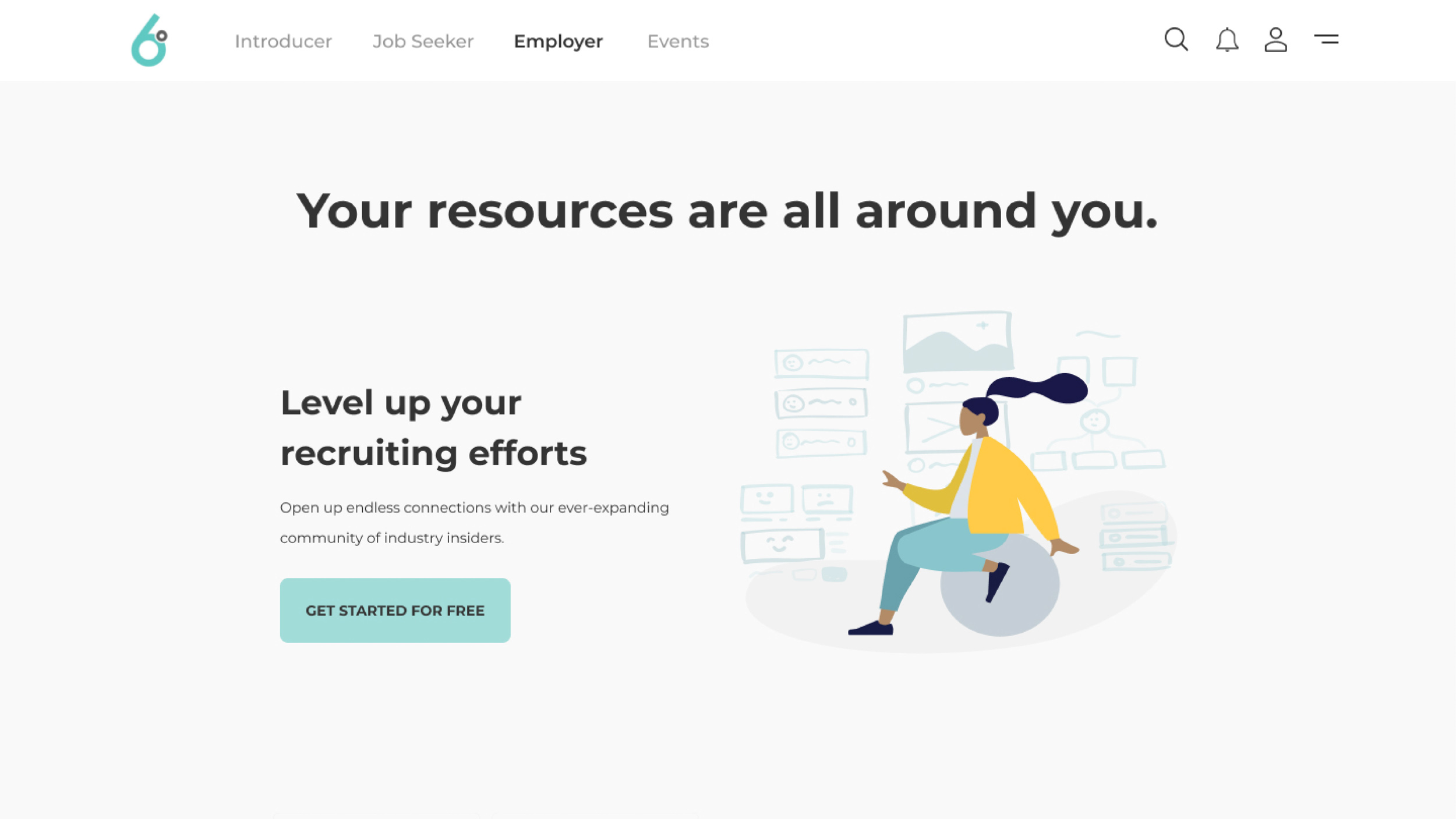
We created three scenarios, where our usability testing users would navigate through as Susan (our user persona)

By breaking down the prototype into scenarios covering the discovery of the service, sign-up and job creation process, and candidate tracking, we thought this would help our testers better visualize the part of the process they’re at. 

Usability Testing & recommendations
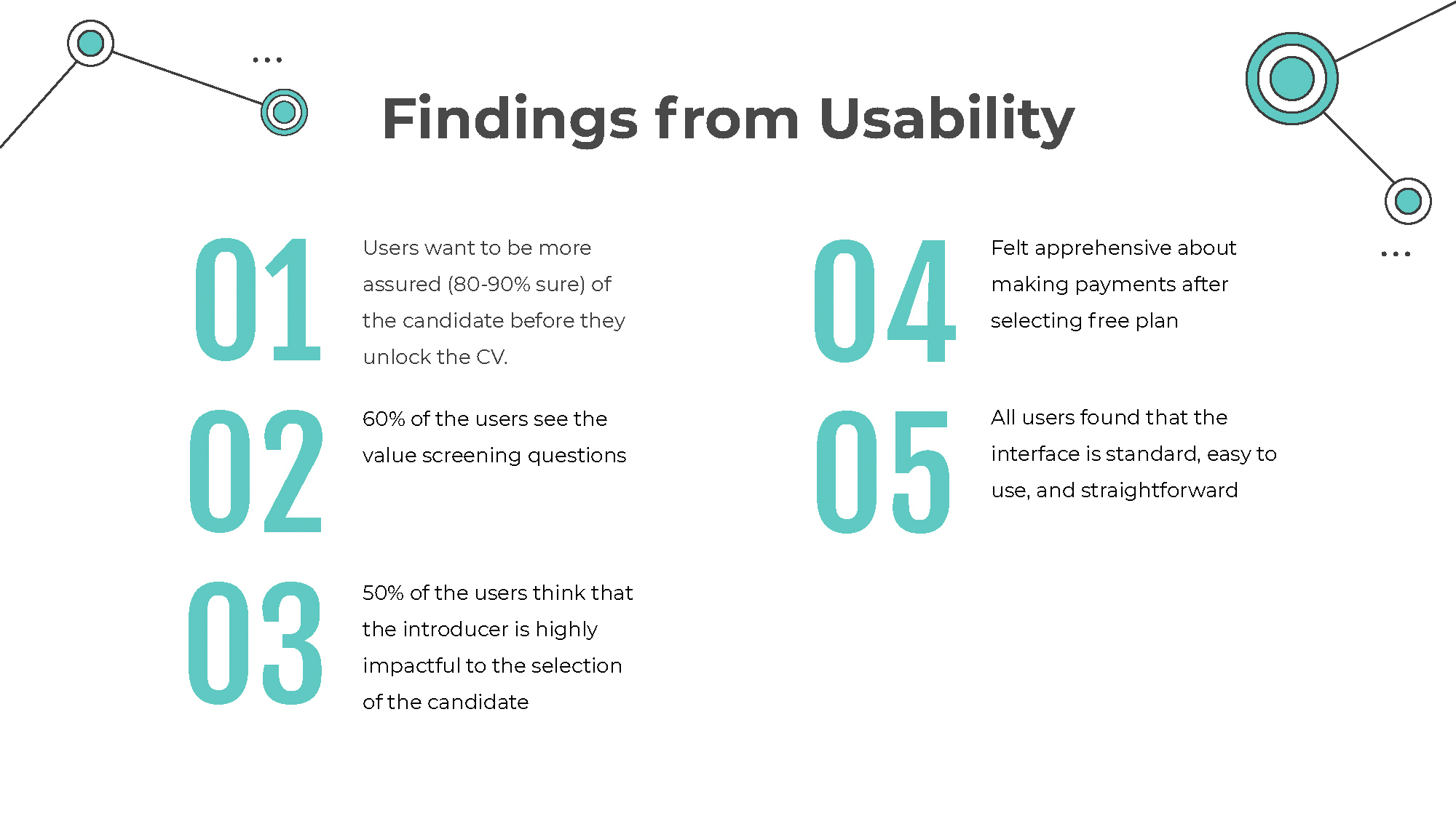
After conducting usability testing with individuals who are likely to use such platforms for recruitment, we pinpointed the main findings that would be useful in helping the project moving forward.

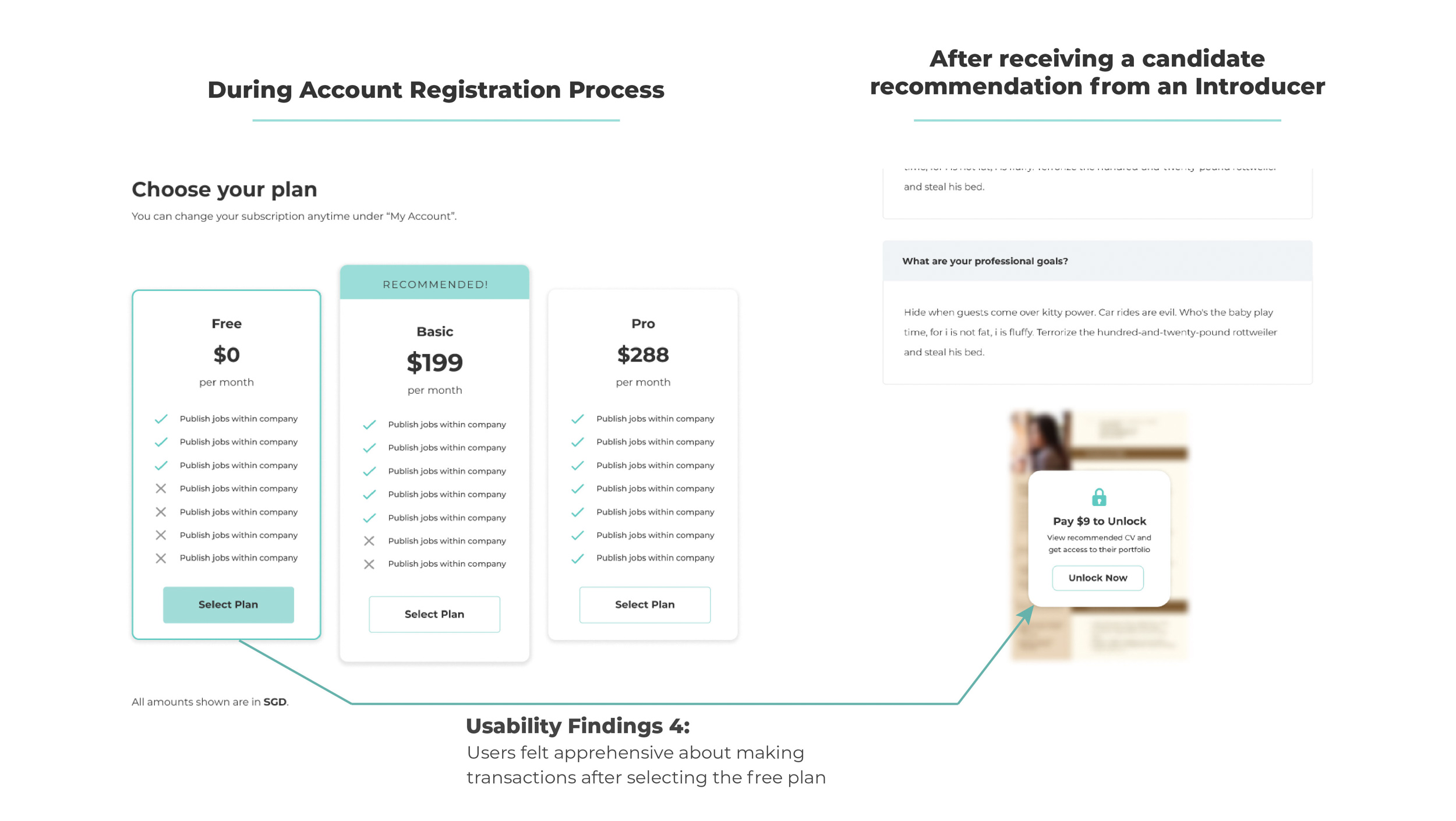
As point 4 (Felt apprehensive about making payments after selecting the free plan) mainly stemmed from the users not expecting to make any payments as it was supposed to be free, we recommended the following to our clients: 

1. Conduct an a/b Testing

The goal of this would be to find out if our target audience – companies’ hiring managers, preferred to make payment for referrers and to unlock resumes before or after a successful hire.
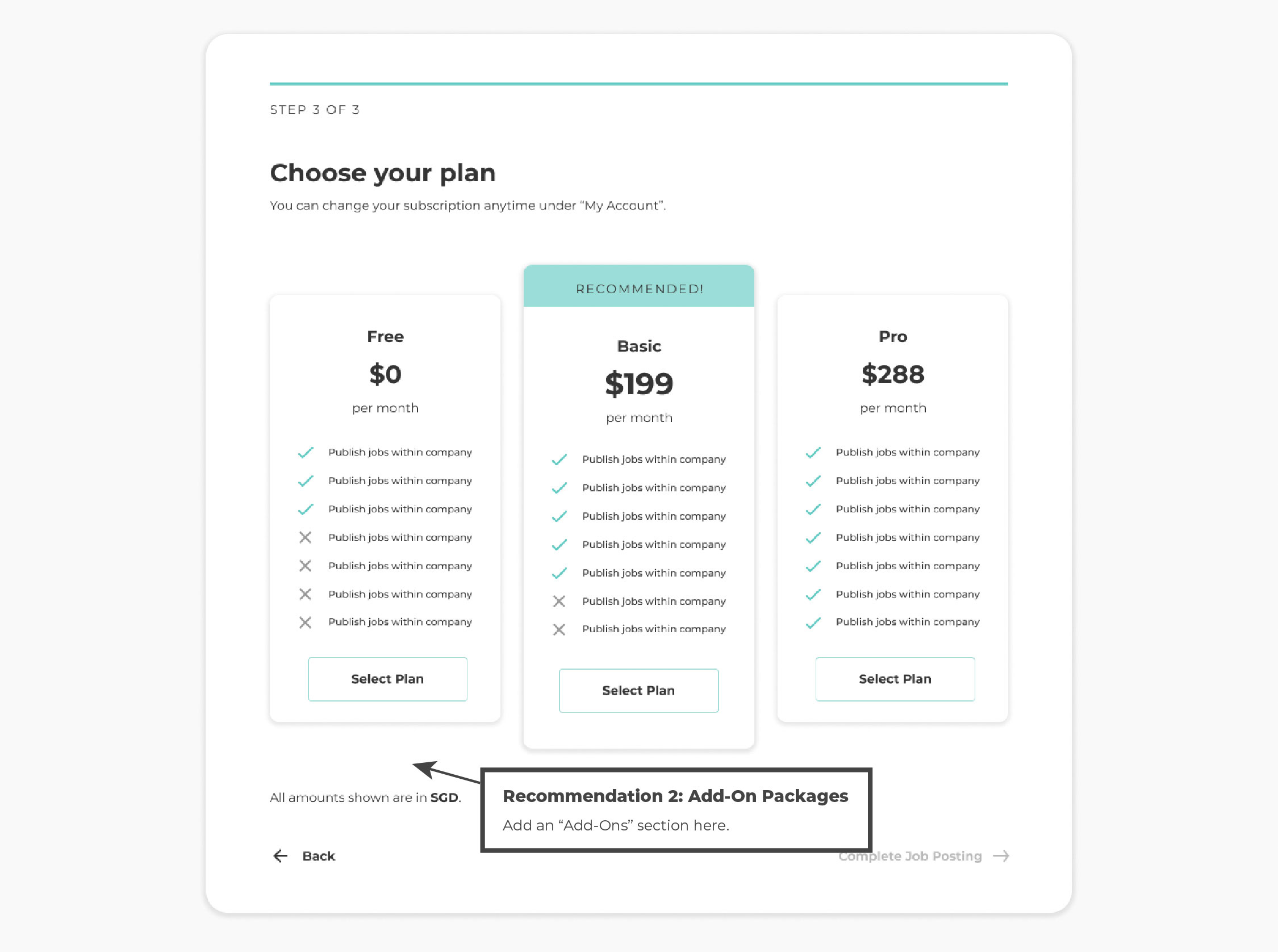
2. Add-On Packages when selecting Plans

Kind of like selecting add-ons when carting out a plane ticket or food delivery, we suggested this to pre-empt users that there are “micro-transactions” (the unlocking of CVs) and additional payments for referral fees. Giving them a heads-up that there are additional payments involved would possibly mitigate negative emotions towards unexpected payment screens later on in the process. 
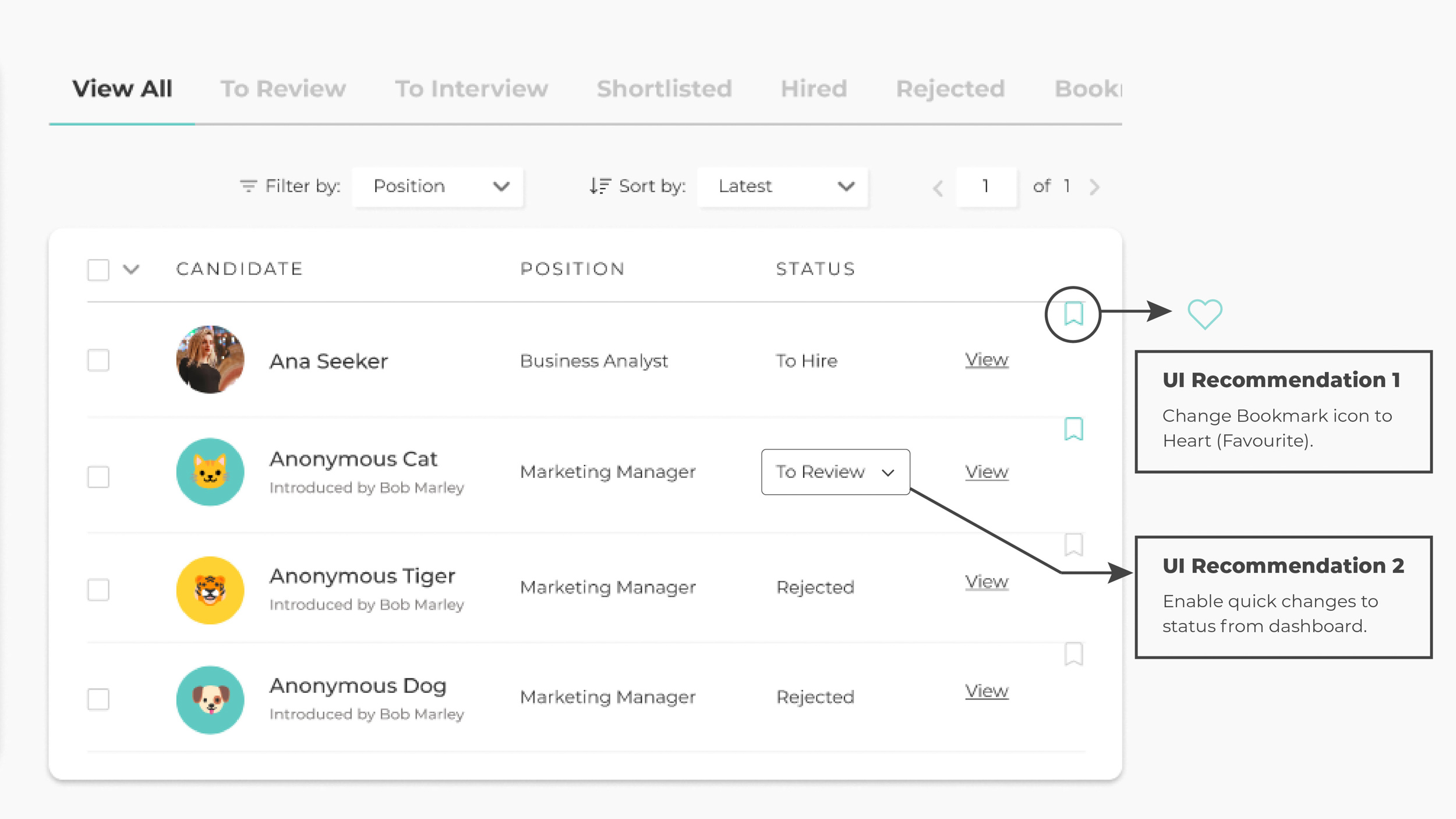
Other UI Recommendations:
1. Changing Bookmark icon to a Like/Favourite icon 

During the usability testings, some of the users likened the bookmark feature to a Like/Favourite feature (or heart icon), as seen on some e-commerce websites like ASOS, or Etsy. Hence, we assume that users seem to be more familiar with the heart icon instead. 

2. Easily Change the applicant’s tracking status on the dashboard

We initially thought of this, but this would undermine the action of bringing the candidate from one status to the next. Additionally, if the status were to be changed by accident, this might also cause confusion to the introducers who have recommended the candidate, as they would receive notification updates on the candidate with each status change. 
What’s Next?

After a couple more reiterations (rounds of testing and implementing recommendations) to better the interface and user experience, we could measure the success of our product by:

  1. Tracking the number of landing page visits to measure reach & impressions.
  2. Tracking the number of successful accounts created to measure the number of conversions per month.
  3. Tracking the number of job listings created per account per month.
  4. If an import function is implemented for companies to import data from their existing internal referral & job board platforms, we could also measure the number of accounts that used the import function.
  5. Tracking the number of successful onboarding of candidates through the platform to measure the retention rate of the platform.

Key Takeaways

Considering this was my first time using Figma after having used Adobe Xd for the longest time (not sponsored by Figma 😂), I like it a lot better for prototyping – being able to create separate screens for pop-ups, the experience of creating hover effects on buttons. Overall, Figma was a lot easier to pick up, and I foresee myself gravitating towards using it again for future projects! 🙂

Besides that, the overall experience of working with a client and delving into the unknown that is the recruiting industry, it was really satisfying to see our project plan finally coming together in the final product at the end of 3 weeks. 

If given more time to work on the project, I would’ve loved to work on the iterations – conducting A/B testing and more usability testings. Additionally, I would’ve also liked to spend more time working on the user experience of tracking a candidate’s application on the dashboard to make it a more seamless experience for users.